Ever had a night when your gut just wouldn’t let you sleep? Maybe it’s abdominal discomfort, frequent trips to the bathroom, or the worry of what tomorrow might feel like. And when morning comes, you’re left feeling exhausted before the day has even begun.
If you’re living with inflammatory bowel disease (IBD), this may sound all too familiar. But the connection between IBD and sleep goes beyond night-time discomfort. Poor sleep may also be linked to increased inflammation and worsening digestive symptoms, creating a cycle that’s hard to break.
So, how does sleep affect your gut health, and what can you do to improve it? Let’s explore.
Understanding the Connection Between IBD and Sleep
Sleep and gut health are more connected than you might think. For people living with inflammatory bowel disease (IBD), getting a good night’s rest can be challenging, especially when digestive symptoms interfere with sleep.
IBD includes two main conditions: Crohn’s disease and ulcerative colitis. Both involve chronic inflammation in the digestive tract and can cause symptoms such as abdominal pain, diarrhoea, bowel urgency, and fatigue.
These symptoms can make it difficult to fall asleep or stay asleep through the night. But the connection goes both ways. Poor or disrupted sleep may affect the body’s immune response and inflammatory processes, potentially contributing to greater disease activity in some people.
This can create a difficult cycle: IBD symptoms disrupt sleep, and poor sleep may make managing those symptoms harder. Understanding this relationship is an important step towards looking after both your digestive health and overall well-being.
How Poor Sleep May Affect Digestive Health
A bad night’s sleep can leave anyone feeling tired and irritable. But when you live with IBD, the effects may go beyond low energy. Research suggests that poor sleep may be associated with increased inflammation, changes in immune function, and greater IBD disease activity. Here’s how these connections may affect your digestive health.
- Sleep, Inflammation, and the Immune System: Sleep gives your body time to rest and regulate important processes, including immune function. When you consistently get poor-quality sleep, these processes may be disrupted, potentially affecting the body’s inflammatory response.
This matters for people with IBD because Crohn’s disease and ulcerative colitis involve chronic inflammation in the digestive tract. Although poor sleep does not cause IBD, changes in sleep patterns may influence how the body regulates inflammation.
- May Poor Sleep Increase the Risk of IBD Flares? Have you noticed that your digestive symptoms seem harder to manage after several nights of restless sleep? Research suggests there may be a connection.
Studies have linked disturbed sleep with increased disease activity in people with IBD. Poor sleep may be one factor associated with worsening symptoms, although the relationship is complex and researchers are still investigating how it works.
It’s also important to remember that the relationship goes both ways. Active inflammation, abdominal pain, and frequent bowel movements can interrupt sleep. So, if you’re experiencing both poor sleep and worsening digestive symptoms, it’s worth discussing them with your healthcare provider rather than assuming one is causing the other.
- The Cycle of Poor Sleep, Fatigue, and Digestive Symptoms: Poor sleep and IBD symptoms can sometimes reinforce each other.
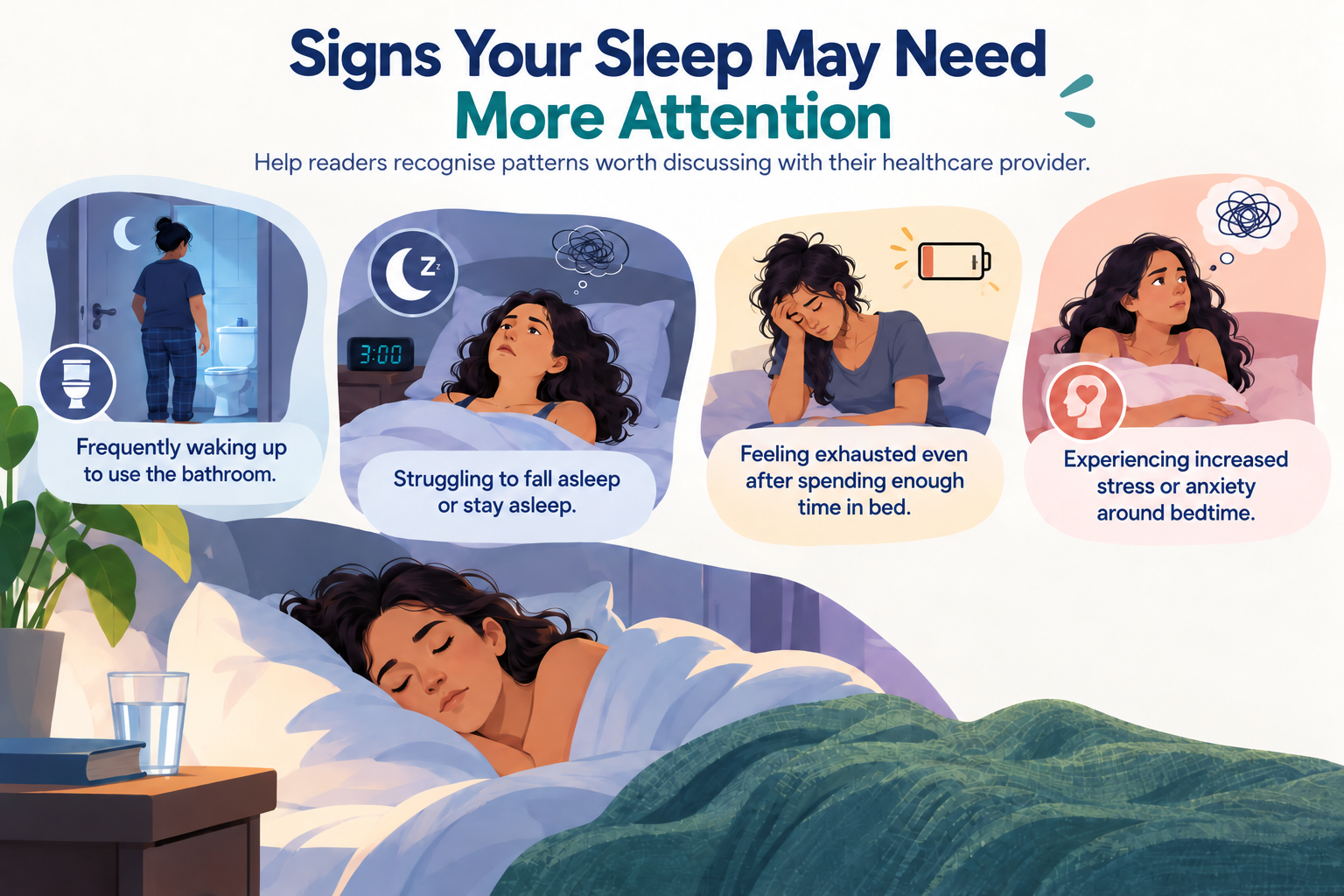
Imagine waking up multiple times during the night because of abdominal discomfort or an urgent need to use the bathroom. The next day, you’re exhausted, have less energy, and may find everyday activities more challenging. When bedtime arrives, worrying about another uncomfortable night can make it harder to relax and fall asleep.
Over time, this cycle can affect your energy levels, mood, and overall quality of life. It can also make living with an already unpredictable condition feel more exhausting.
The takeaway? Sleep isn’t a cure for IBD, but it deserves attention as part of your overall care. Recognising patterns in your sleep and digestive symptoms can help you have more informed conversations with your healthcare team about managing both.
Practical Ways to Improve Sleep When Living With IBD
Living with IBD can make a good night’s sleep feel unpredictable. While you may not be able to control every symptom, a few small changes to your daily routine can help support better sleep.
-
Stick to a Consistent Sleep Routine
- Go to bed and wake up at roughly the same time every day.
- Create a relaxing bedtime routine, such as reading or listening to calming music.
- Keep your bedroom dark, quiet, and comfortable.
-
Pay Attention to Evening Meals
- Notice whether eating late or certain foods seem to worsen your night-time symptoms.
- If large meals cause discomfort, try having a smaller evening meal.
- Avoid cutting out entire food groups without professional guidance. Nutritional needs and food triggers vary from person to person.
-
Find Ways to Manage Stress
Stress and worries about symptoms can make it harder to fall asleep. Try:
- Practising gentle breathing exercises before bed.
- Spending a few minutes journaling your thoughts.
- Making time for relaxing activities during the day.
-
Track Your Sleep and Symptoms
A simple sleep diary can help you spot patterns. Record:
- When you go to bed and wake up.
- How often you wake during the night.
- Any night-time digestive symptoms.
- Your energy levels the following day.
Over time, these notes may help you and your healthcare provider identify possible triggers or concerns.
-
Don’t Ignore Persistent Sleep Problems
If you regularly wake up with abdominal pain, diarrhoea, or an urgent need to use the bathroom, speak with your IBD care team. These symptoms may need medical attention rather than just changes to your bedtime routine.
You can also ask about other possible causes of poor sleep, including medication effects, insomnia, or other sleep disorders.
Remember: Better sleep doesn’t have to mean perfect sleep. Start with small, manageable changes, pay attention to what works for you, and seek support when symptoms continue to interfere with your rest.
Common Sleep Mistakes to Avoid When You Have IBD
Improving sleep when you have IBD isn’t just about building a bedtime routine. It’s also about recognising habits that may make things harder. Here are a few common mistakes to watch out for:
- Ignoring night-time digestive symptoms: Frequent bathroom trips, abdominal pain, or diarrhoea shouldn’t automatically be dismissed as part of living with IBD. Talk to your healthcare provider if these symptoms persist or worsen.
- Making drastic dietary changes: Cutting out multiple foods in the hope of sleeping better may leave you missing important nutrients. Instead, track your symptoms and discuss persistent food-related concerns with a qualified dietitian/nutritionist.
- Relying on sleeping pills or supplements: Sleep aids aren’t suitable for everyone and may interact with medications. Always consult your healthcare provider before trying them.
- Assuming every sleepless night means a flare-up: Stress, changes in routine, medication effects, and other sleep disorders can also affect rest. Look for patterns rather than jumping to conclusions.
- Expecting immediate results: A new sleep routine may take time to feel helpful. Focus on small, consistent changes instead of putting pressure on yourself to sleep perfectly every night.
The goal isn’t to control every aspect of your sleep. It’s to understand what may be affecting it, make realistic adjustments, and get the right support when you need it.
Living with IBD can make restful sleep challenging, but your nights don’t have to be a constant struggle. While poor sleep may be linked to inflammation and worsening digestive symptoms, small changes to your routine and the right support can help you take better care of yourself.
Pay attention to your sleep patterns, recognise what triggers discomfort, and don’t ignore symptoms that keep you awake. Remember, improving sleep isn’t about achieving perfection. It’s about finding what works for your body while managing IBD with the right medical guidance.
Looking for a more personalised approach to gut health? At High Carb Health, we help people with IBD explore practical, individualised approaches to nutrition and digestive health. Visit High Carb Health to learn more about our resources and support for your gut health journey.